IER Blog Series: “Court’s problems may be in part the result of the standard of some judges…” –striving to improve the ICC Bench *
This blog is part of a series on The International Justice Monitor about selected aspects of the ICC Independent Expert Review Final Report released on September 30, 2020.
Six new International Criminal Court (ICC) judges were sworn in earlier this month. Yet again, this election cycle brought to the fore procedural and substantive deficiencies of the ICC’s nomination and election process (weaknesses detailed in the Justice Initiative’s Raising the Bar report). Whilst there has been progress, the ICC judicial election process is so problematic that experts engaged in the Independent Expert Review (IER) dedicated a portion of their report to the issue despite it not being within their original mandate.
Campaigning and Vote Trading
Toxic campaigns and vote trading remain a concerning part of the ICC judicial election season every three years. As the experts indicate, the influence of politics on the process is evident. They criticize the “weak” phrasing in the 2019 Assembly of States Parties (ASP) resolution on the procedure of nomination and election of judges (2019 ASP resolution) encouraging states to refrain from trading votes (para. 963). According to the experts, it should have been accompanied by a decision to refrain from such practice. Vote trading often results in states overlooking merit in exchange for political support on other issues or nominations for other international positions. Campaigning (which often goes hand-in hand with vote trading) harms those with no resources to campaign, once again overshadowing merit. Having acknowledged all of that, the experts note a lack of state interest to do away with these harmful practices. The report recommendations therefore focus on other factors, including improving the national nomination process and the work of the Advisory Committee on Nominations (ACN).
National Nominations
National nomination procedures are key, as the experts point out. If all the candidates nominated were of a high caliber, the vote and election processes would be less consequential. As presented in previous blogs and in Raising the Bar, national nomination procedures vary from state to state. However, most lack transparency and civil society organizations have observed irregular practices, as described here, here and here.
To rectify the situation, the experts recommend the harmonization of nomination procedures (R376). This includes requiring states parties to provide information about their procedures for nominating candidates. The 2019 ASP resolution merely “encourages” states to submit such information to the ACN, but the experts believe they should be required to do so (para. 973). In 2020, only 19 out of 123 states parties submitted this information, which shows the validity of the expert’s point.
In addition, the experts recommend that when submitting their nomination, states enclose a certificate setting out the procedure leading to the candidate’s nomination, completed and signed by the senior official responsible for the process (para 973).
The experts go on to say that the ASP should compile guidelines and a list of criteria that should apply to national nomination processes (R377) in time for the 2023 judicial elections. This will take time and therefore states should take immediate action.
Other measures the experts propose include the countersigning of the questionnaire completed by candidates by a “senior member of the Judiciary or of the relevant judicial nominations/appointments body confirming the accuracy of the information provided” as a measure to officially certify the information provided (para. 972).
Other suggestions include discouraging states from using the International Court of Justice (ICJ) nomination procedure, which the experts denounce as lacking transparency and riddled with shortcomings (para. 967). Currently, the procedure for nomination of candidates for the ICJ is one of the two processes allowed for nomination of judges. Eliminating the possibility for states to use such procedure would require a Rome Statute amendment, which is a fairly complex process.
Roundtables and Interviews
The experts suggest that nominees’ participation in interviews with the ACN should be mandatory. At the moment, states should merely “endeavor” to ensure their candidate’s attendance (para. 969). According to the experts, barring exceptional circumstances, failure to attend should result in disqualification. The experts express the same sentiment about attendance of the public roundtables (R371) (an event previously organized by civil society and now officially part of the elections process, where all candidates introduce themselves and respond to questions posed by states and civil society). Both the interviews and the roundtables are important opportunities for stakeholders to become acquainted with each candidate. Given their significance, mandatory attendance (virtually or physically) is a fair and reasonable suggestion.
The experts also suggest that questions for public roundtables should be informed by aspects of “the candidate assessments highlighted in the ACN report” (para 970). This too could enhance the quality of the roundtables, but there should be scope to raise other relevant questions and concerns.
Composition of the ACN
The experts suggest that the ASP “consider whether it is now appropriate to review the qualifications for membership of the ACN” (R380). While noting that the ACN has had very distinguished members, the experts suggest ensuring that at least five of the nine ACN members have established experience and competence as judges of international courts and tribunals. However, the Justice Initiative cautions against former ICC judges being too heavily represented on the ACN, to ensure a balance between members who know the institution well and those who can bring fresh thinking and diverse ideas.
The ACN’s Report
The experts recommend that states parties respect the ACN’s findings. They also raise a crucial point: “it should not be appropriate for any State to vote for a candidate assessed by the committee as ‘unsuitable’ for a judicial role at the Court” (para 975, R378). While it is indeed essential that states take the ACN’s report seriously, that hinges on the quality of the report and on whether the committee is bold enough to rate candidates as unsuitable or not qualified when warranted. In 2020 the committee seemed reluctant to do so.
List A and B
The experts did not shy away from addressing the two lists used to nominate judges. The Rome Statute states that judges should have one of two sets of expertise: established competence in criminal law and procedure (list A) or established competence in relevant areas of international law (list B). The use of list B to nominate judges allows states to nominate diplomats and others without judicial experience.
The experts suggest the ASP consider “whether it is now appropriate to review the criteria applicable to and the profiles of candidates from List B, having regard to the significance of criminal trial experience to the work of the Court” (R379). The Justice Initiative has advocated for elimination of list B, which would require a Rome Statute amendment. Until such a time an amendment is made, we propose that all candidates, be it from list A or B, have established experience in criminal law and procedure.
The IER report does not explicitly mention vetting, which was raised repeatedly by civil society organizations during the last ICC election cycle. According to the Rome Statute, judges as well as other elected officials must be “persons of high moral character.” However, to date the ICC has no mechanism to certify that candidates meet that requirement. Vetting is of great importance to help safeguard the reputation and legitimacy of the court, and ensure no ICC leader has a history or misconduct or unethical behavior. While discussions are ongoing about setting up a vetting mechanism at the ICC, states should also consider vetting candidates at the national level prior to presenting their nominations to ASP.
The experts’ recommendations have the potential to significantly improve the quality of the ICC bench. Progressive changes should be made in time for the 2023 elections. This means the ASP and individual states should start laying the foundation for change now.
*This article first appeared on International Justice Monitor on 25 March 2021

IER Blog Series: The Next ICC President: Watch This Election Closely *
This blog is part of a series on the International Justice Monitor about selected aspects of the ICC Independent Expert Review Final Report released on September 30, 2020.
The Presidency is a highly influential and powerful unit within the International Criminal Court (ICC). Consisting of a president and two vice presidents, this unit has the power to determine the extent to which judges serve full time and to assign judges to the three divisions and specific chambers. The presidency is also the proverbial “front of house” for the court as it is deeply involved with external relations, including concluding cooperation agreements with states, promoting universality of the Rome Statute, and raising public awareness about the court. Internally the Presidency also holds significant power as it oversees the work of the Registry.
The ICC judges elect the Presidency for a three-year renewable term by absolute majority. Unfortunately, the election process has led to what the IER experts have labeled as “distasteful” campaigns and the “offering of inducements” in exchange for votes. The election takes place soon after six new judges have been sworn in and their votes are usually decisive, making them campaign targets. Reportedly, candidates in past elections have made promises in exchange for support, including promising to assign supporters to particular divisions and calling them to serve on a full-time basis from the beginning of their term even when the court’s workload did not warrant such action. To remedy all of this, the experts recommended the adoption of election guidelines (R171) and an amendment of the Judicial Code of Ethics (para. 406). Wasting no time, the current Presidency published the Guidelines on the Procedure for the Election of the Presidency in January 2021, in time for the Presidency elections to be held on March 11, 2021. The Judicial Code of Ethics was also amended in January 2021.
The experts’ recommendations are geared towards regulating campaigning and preventing any conduct that may constitute an inducement. The guidelines squarely address those aspects. The guidelines provide regulated opportunities for judges to present their candidacy and to summarize their suitability for the role. Judges wishing to vie for office can submit an expression of interest no later than February 15 of an election year. They may also hand in a statement of suitability to the appointed Presiding Officer, who is the only one authorized to distribute these statements. Candidates “must not distribute their statements independently” (section 1). Candidates have another opportunity at a preparatory meeting (section 3) to present their candidacy and answer any questions the other judges may have.
The guidelines also include ethical obligations (section 6) requiring the judges to exercise their responsibilities “with probity and integrity” and in full compliance with the recently amended Judicial Code of Ethics. The guidelines specifically state that, “[c]andidates shall refrain from any action that might, in the context of the election, be reasonably perceived as an inappropriate promise, gift, advantage, privilege or reward of a personal nature.” All of these measures sound like a reasonable attempt to prevent the perversion of the election process, but there are a few shortcomings.
Shortcomings
While the existence of guidelines is a significant improvement, from the outside it is difficult to assess how useful they will be given all the secrecy that has shrouded past elections. The IER report gives an indication of how fraught the election process has been with unethical conduct, but only the judges (past and present) know the true extent of it all. Should such important processes be so opaque? The lack of transparency in past elections is a factor that may have contributed to the proliferation of toxic campaigning and untoward promises.
The guidelines do not include any sanctions, which is perhaps why the drafters opted to call them “guidelines” and nothing more, and this raises questions about how seriously they will be taken. The amended Judicial Code of Ethics states, “[a]ll limitations on electoral campaigning established in the Guidelines on the Procedure for the Election of the Presidency must be respected, any violation of which shall be a violation of this Code.” Although it is subject to the Rome Statue, and the Rules and Regulations of the Court, the Code also has no sanctions.
Other questionable provisions in the guidelines include section 6.3, which prohibits discussion or communication amongst judges about the potential outcome of a Presidency election unless all voting judges are given the opportunity to participate. That directive seems reasonable, although difficult to police. The remainder of the section, however, could be abused as it states, “[t]his does not preclude a newly elected judge, at her or his own initiative only, from speaking privately with outgoing judges only, in order to seek information about one or more candidates. Guided by the ethics of collegiality, any such discussion should be constructive and neutral in nature.”
The guidelines may be “amended, suspended or abolished by a majority of judges in a plenary session.” Time will tell whether this is a positive feature or one that will compromise the quality of future elections.
Despite the good intentions, constructive implementation of the IER recommendations and carefully chosen wording, the true impact of the guidelines remains to be seen, making the upcoming Presidency election one to watch closely.
*This article first appeared on International Justice Monitor on 1 March 2021.

The ICC prosecutor elections and the failure to vet candidates *
On Friday 12 February, the next International Criminal Court (ICC) prosecutor, British candidate, Karim Khan QC, was elected. Unfortunately, the election process itself cast a shadow and raised concerns about the ICC’s management oversight and legislative body- the Assembly of States Parties (ASP) and its leadership.
The ICC is the world’s only permanent court with jurisdiction over genocide, war crimes, crimes against humanity and the crime of aggression. It began its operations in 2002 and has faced numerous challenges since its inception. The last thing it needed was a flawed election process for its top job.
Being the Prosecutor comes with great power and responsibility but is the responsibility of the ASP to elect a prosecutor. The ASP, led by a Bureau, a president and two vice presidents, consists of the 123 ICC member states.
The Court has had two prosecutors to date and the current prosecutor, Fatou Bensouda’s term is due to end in June. Usually, the ASP reaches a consensus but this year is the first time they have failed to do so resulting in a vote by secret ballot held last Friday. Failure to reach consensus means that the prosecutor-elect will start his term in office without the same political support a consensus candidate may have enjoyed.
The failure to reach consensus is not the most troubling factor – a lack of vetting is. As baffling as it may sound, the ICC does not fully vet it’s judicial or prosecutorial candidates, despite one of the requirements for the job being “high moral character.” Vetting is commonly practiced when hiring leaders in the private sector and the ICC should follow suit. The responsibility to ensure vetting falls squarely at the feet of the ASP and its leadership. All candidates should have been properly and thoroughly vetted.
The ASP established a Committee on the Election of the Prosecutor which did a decent job under difficult circumstances including engaging the services of an entity able to conduct background checks and basic screening. However, that is a far cry from thorough vetting. Thorough vetting includes going further than basic reference checks. It means conducting reputational interviews and seeking views from subordinates, former and current colleagues and supervisors. It means creating a duly constituted, impartial, professionally run mechanism that can (with all the necessary safeguards in place) confidentially hear allegations, investigate and make a finding as to whether the allegations raise concerns about moral character.
Since November 2019, civil society has called for vetting but fast forward to February 2021 and nothing is in place. The buck stops with the ASP and its leaders. Granted, the ASP deliberations are tense and politically charged, but that is no excuse for failing to vet candidates particularly in the face of serious allegations of misconduct and ethical impropriety surrounding candidates.
Proceeding without a proper vetting mechanism was a violation of due process and a disservice to the candidates, many of whom became the subject of rumors on social media. More importantly, it was a great disservice to those who have experienced conduct unbecoming of an elected official.
Reporting misconduct, particularly sexual harassment, is extremely difficult as the barriers to reporting are numerous. The #MeToo movement has shown just how hard it is to bring sexual harassment to light and the legal profession is no exception. According to the International Bar Association’s recent study on sexual harassment and bullying in the legal profession, a staggering 75 percent do not report incidents of sexual harassment including for fear of retaliation. Against this backdrop, some actors’ response to calls for vetting was “go public with the allegation” which shows a total lack of appreciation for barriers to reporting and the unjust repercussions.
The ICC already has a severe problem when it comes to sexual harassment. The September 2020 report produced by a group of independent experts tasked with assessing the Court’s performance, reveals the extent as experts heard accounts of sexual harassment, “notably uninvited and unwanted sexual advances from more senior male staff to their female subordinates.”
The glaring failure to establish a vetting mechanism in this climate is unbelievable.
In addition to internal challenges, the prosecutor-elect faces resource constraints, and will have to contend with US wrath for investigations in Afghanistan and in the Israel-Palestine situation. To top it all off, the US sanctions against Bensouda and a senior staff member remain in place, also putting people assisting the Prosecutor’s office at risk of being sanctioned.
Other unhappy non-ICC-member-state-global-superpowers include Russia, whose conduct in Georgia and the Ukraine is under scrutiny. The investigation into politically powerful member state Nigeria, may also present challenges, as the Prosecutor’s Office is looking into alleged crimes committed by Boko Haram and the Nigerian Security Forces.
In all of these situations, there are sound legal grounds to proceed with investigations and it is important that the Prosecutor does proceed, but the political context is perilous.
The lack of vetting will always hang above the Office and invite questions about the credibility of the Court, making its work more difficult in an already hostile environment. Under new leadership, the ASP should move quickly to create a permanent vetting mechanism for future elections, including judicial elections in two years. With more thorough selection processes for all its top posts, the ICC may inspire confidence and be better equipped to handle the litany of challenges that lie ahead.
- This article first appeared in the Daily Maverick on 21 February 2021 under the title Appointment of Karim Khan as ICC’s chief prosecutor raises questions over lack of consensus and vetting process

ICC Review Process: Taking A Closer Look At The IER’S Final Report *
This blog is part of a series on the International Justice Monitor about selected aspects of the ICC Independent Expert Review Final Report released on September 30, 2020.
The much-anticipated Independent Expert Review final report was released on September 30, 2020 and it is candid, detailed, and more thorough than expected given the limited amount of time the Experts had and the COVID-19 related constraints. The Experts have done a remarkable job under difficult circumstances and have managed to produce a comprehensive report that has provided much food for thought for the Court and the Assembly of States Parties (ASP). Over the coming weeks, International Justice Monitor will publish a series of posts on selected topics covered in the report.
Established under a 2019 ASP resolution, the experts were tasked with reviewing the entire Rome Statute system and identifying, “ways to strengthen the International Criminal Court and the Rome Statute system in order to promote universal recognition of their central role in the global fight against impunity and enhance their overall functioning, while upholding the key principles enshrined in the Statute, including those of complementarity, integrity and judicial and prosecutorial independence.” This involved accurately diagnosing the problems facing the Court and developing actionable recommendations.
The individuals appointed to conduct the review were Nicolas Guillou (France), Mónica Pinto (Argentina), Mike Smith (Australia), Anna Bednarek (Poland), Iain Bonomy (United Kingdom of Great Britain and Northern Ireland), Mohamed Chande Othman (United Republic of Tanzania), Richard Goldstone (South Africa), Hassan Jallow (The Gambia), and Cristina Schwansee Romano (Brazil). They were organized in three clusters: Governance, Judiciary and Investigations and Prosecutions.
The experts began with an interim report released on June 30, 2020 that outlined their working methods, access, and interactions with the Court, input from various stakeholders, and the impact of Covid-19 on their work. Three months later, right on schedule, the experts released their final report which included the experts’ findings and recommendations.
Under the ASP IER resolution, the experts were mandated to look at the following three sets of issues: governance, judiciary, and investigations and prosecutions. They went a step further and commented on the nomination and election of judges including recommendations on how the system can be improved. The experts were remarkably frank about important challenges facing the Court. Most notably they addressed bullying and harassment at the Court and were unequivocal about the need for change.
Ably led by their chair, Richard Goldstone, the experts delivered a 348-page report with 384 recommendations. It is clear that despite COVID restrictions, they managed to consult broadly. They held a total of 278 interviews and meetings with 246 current and former officials, staff, and external defense and victim’s representatives, heads of organs, the Staff Union Council, 9 states parties, 12 ASP representatives/bodies, 54 NGOs and 6 academics. They also accepted 130 written submissions. Despite speculation from observers about how open the Court would be to the review process, the experts noted that they were satisfied with the full cooperation received from the Court, a promising sign if there is to be any constructive engagement on how to improve the Rome Statute system.
The next crucial step is that of implementation — a topic that was discussed at length by the 2020 ASP. The registrar, prosecutor, and president of the Court have all issued their preliminary remarks, thanking the experts and committing to genuinely assessing and considering the recommendations.
As mentioned, this blog post is the first in a series — stay tuned for more.
*This blog first appeared on the International Justice Monitor on 12 January 2021
Searching for the Next ICC Prosecutor: Where to from here?*
The search for the next International Criminal Court (ICC) prosecutor continues. Much has happened since the vacancy announcement was published on August 2, 2019 and there is still a long way to go.
The Committee on the Election of the Prosecutor (CEP ), duly established by the Bureau of the Assembly of States Parties (ASP) in 2019, was mandated to “establish by consensus an unranked shortlist of three to six of the most highly qualified candidates” for the position of Prosecutor of the International Criminal Court”, and “prepare a final report which shall specify in detail how the shortlisted candidates meet the requirements for the position.” The CEP was assisted by a panel of five independent experts, one from each regional group, who were also appointed by the Bureau.
The CEP received 89 completed applications and with the assistance of the Panel of Experts, whittled that number down to a long list of 16 candidates, 14 of whom went through the entire process after two dropped out for personal reasons. The CEP issued its final report in June 2020 detailing its process (including unprecedented and welcome background checks and security screening of the longlisted candidates) and presenting its short list. The shortlisted candidates are: Morris A. Anyah (Nigeria), Fergal Gaynor (Ireland), Susan Okalany (Uganda), and Richard Roy (Canada).
More Engagement with Candidates
The CEP’s short list has attracted a lot of attention and unjustified criticism. Some observers have said that the list was a surprise including that some of the shortlisted candidates are relatively unknown and some of the “usual suspects” were not included. All of this speculation made the ASP-organized hearings prime time viewing. Court watchers and supporters got their first glimpse of the candidates on 29 and 30 July. The hearings lasted for three hours on each day and were co-moderated by states parties and civil society.
While the opportunity to engage with the candidates was welcome and constituted a crucial first step, the hearings were less than ideal given the technical difficulties on the second day, the restricted time and the limited opportunity available for immediate follow-up questions. In order to truly understand the candidates and their vision for the Office of the Prosecutor, further opportunities for engagement should be facilitated, ideally by the ASP. A different format, such as an in-depth, public, one-on-one interview, where follow-up questions are included, with neutral and well-informed moderators who ensure fairness and transparency could be the way to go.
Thorough Vetting
In a series of communications, the Open Society Justice Initiative and other organizations have repeatedly called for thorough vetting of all candidates, including an open letter to the CEP on February 19, 2020 and one to the ASP Bureau on 10 September 2020. The CEP took unprecedented steps and included a background check and security clearance for all 14 candidates. Hard as it may be to believe, such procedures are standard when one applies for a job at the ICC but never, in the history of the Court, have these procedures been applied to elected officials, holders of the institution’s highest posts. The CEP took crucial, necessary steps to change that. It did, however, state that, “a vetting process set in motion ex post facto and with limited scope, cannot lay claim to comprehensiveness, nor will it offer all desirable guarantees.” The limitations noted by the CEP included that not all of the national criminal record offices contacted responded to the CEP’s inquiries. It also noted that, “references offered by a candidate will likely be inclined to respond only with favorable assessment,” implicitly underlining the importance of checks that go beyond those provided by the candidate.
While the CEP is therefore to be commended for the important ground it has covered, as acknowledged, more should be done. In particular, Justice Initiative and other civil society representatives are concerned that the steps taken to vet candidates, so far, seem to have been limited to reference checks and security clearance. We believe it is vital that the ASP builds on the processes initiated by the CEP and — using the time now available before this December’s election — take further steps to undertake a more thorough vetting. Such a vetting should include confidential interviews with former colleagues, supervisors, subordinates, and others who have closely interacted with the candidates. This form of vetting exists in some domestic jurisdictions for other positions that require high moral character such as joining the bench.
In British Columbia, Canada, judicial candidates are screened and approved by the Judicial Council. The Judicial Council asks the British Columbia Branch of the Canadian Bar Association and the Law Society of British Columbia to investigate each applicant. “Persons referred to, and other persons not referred to, in the [candidate’s] application may be contacted, unless the applicant specifically requests that they not be contacted, and provides reasons for that request.” Candidates are also asked to sign a form that authorizes the Judicial Council to contact a range of people including “colleagues in community and professional organizations with which [the applicant is] or [has] been associated.”
In Kenya a Judges and Magistrates Vetting Board was established and commenced its operations in 2012. It was created amidst deep concerns about corruption plaguing the Kenyan judiciary. This Vetting Board hasextensive reach and is empowered to gather information from any source, “compel” the production of that information, interview “any individual, group or members of organizations or institutions” and “hold inquiries for the purposes of performing its functions.” The Board is also not bound by strict rules of evidence and is “not to be subject to the direction or control of any person or authority.”
According to the Act that established the Board, in determining the suitability of a judge or magistrate, the Board considers numerous factors including the applicant’s integrity, track record and any information received from bodies such as: the Ethics and Anti-Corruption Commission; Advocates Disciplinary Tribunal; Advocates Complaints Commission; Kenya National Human Rights and Equality Commission; National Intelligence Service; National Police Service Commission and; the Judicial Service Commission. While implementation has not been perfect, this remains a good example of how the foundation for comprehensive vetting can be laid.
In the United Kingdom (UK) the Judicial Appointments Commission (JAC) is responsible for the assessment of candidates and it conducts background checks to assess good character. The self-disclosure process is a big component and even matters cloaked by non-disclosure agreements are to be disclosed to the JAC. The JAC has an 8-page Good Character Guidance document that gives judicial candidates a detailed account of what should be disclosed and information as to the kinds of checks they conduct.
The JAC conducts character checks with various bodies including, the Criminal Records Office, Her Majesty’s Revenue & Customs, The Insolvency Service and professional regulatory bodies (for example, Bar Standards Board, Solicitors Regulation Authority, Chartered Institute of Legal Executives and General Medical Council). The JAC also checks the candidate’s social media. Again, the JAC process is not flawless as there have been questions about its merit related criterion for judicial candidates, but useful lessons can be drawn.
The American Bar Association’s Standing Committee on the Federal Judiciary evaluates the professional qualifications of nominees for the United States (US) Supreme Court. This includes looking at “integrity, professional competence and judicial temperament.”
In order to get a sense of a nominees’ integrity the Committee conducts extensive interviews with individuals who are familiar with the nominee including other judges and lawyers. According to the ABA’s reports, typically, they interview 40 or more people who are familiar with the nominee, “more complex investigations may result in over a 100 interviews.” In order to ensure the interviewees speak frankly, the Committee guarantees confidentiality. The Committee also interviews the nominee providing an opportunity for them to address any adverse information thereby ensuring due process.
At the end of the process, the Committee provides a rating of “not qualified,” “qualified,” or “well-qualified.” The Committee’s role is purely advisory and the White House and Senate are free to consider the Committee’s rating of a nominee or not but their process shows that vetting by way of interviewing those who have worked with a candidate or nominee can be helpful in assessing moral character. As with all the examples, no process is perfect and the ABA’s ratings have been questioned particularly with regard to Brett Kavanaugh.
These are just a few examples of the shape vetting can take and they warrant consideration for this ICC election cycle and all future elections at the Court. While there will always be shortcomings and there is an added layer of complexity given that this is an international selection process as opposed to a domestic one, establishing the process is vital.
Other vetting options include hiring professional, international companies that specialize in investigations and background checks for hiring purposes. These specialized companies go further than the reference checks as they conduct independence checks, government exposure checks, reputational interviews and more to determine the suitability (including high moral character) of the candidate for the role in question. It goes without saying that vetting should always be conducted within the bounds of the data protection laws, and with regard to due process.
As pointed out previously, rates of sexual harassment and other forms of workplace misconduct are high in international organizations, including at the ICC. This is unacceptable and exemplary leadership can positively change the situation. Institutions such as the ICC should do their utmost to ensure that elected officials have an impeccable record and embody the “high moral character” requirement of the Rome Statute. Thorough vetting is long overdue and should have been in place from the court’s inception.
Where to from here? Hopefully, further opportunities to engage with all the candidates will be created and thorough, professional and impartial vetting will become the norm.
- This blog appeared first on the International Justice Monitor on 15 September 2020.
Centre stage again – allegations of UK war crimes in Iraq
20.11.19 | 0 Comments
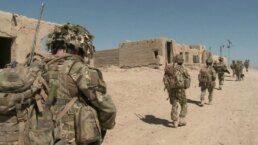
An investigation by BBC Panorama and the Sunday Times has revealed what 11 detectives have called “credible evidence” of war crimes committed by British soldiers in Iraq. This will not come as news to those who are aware of the European Centre for Constitutional Human Rights (ECCHR)’s file that was submitted to the Office of the Prosecutor (OTP) at the International Criminal Court in 2014, but the television programme and its claim that there may have been a “cover-up” has reignited the discussion.
“Panorama, War Crimes Scandal Exposed” aired on BBC on the 18th of November and it suggests that there is new evidence implicating British troops in the killing of children and in the torturing of civilians in Iraq and Afghanistan. In addition, it suggests that the British government was complicit in covering up the alleged crimes.
The evidence was allegedly obtained from within the specialised unit, Iraq Historic Allegations Team (IHAT) which investigated alleged war crimes committed by British troops in Iraq. IHAT was set up by the UK Ministry of Defence in March 2010 and it consisted of Royal Navy Police officers and ex-civilian police detectives, who were tasked with investigating and establishing the facts. According to the ECCHR, 70% of the allegations received were dismissed before they even reached the full investigation phase.
The UK government shutdown IHAT in June 2017 after solicitor Phil Shiner, former head of Strategic Litigation at Public Interest Lawyers, (who had brought over 1000 cases to IHAT’s attention) was disbarred after he was accused of paying people in Iraq to secure clients. Some former IHAT investigators told British reporters that Shiner’s conduct was used as an excuse to bring an end to all the inquiries. The Service Police Legacy Investigations (SPLI) took over IHAT’s work in July 2017. According to the latest SPLI Quarterly Update (31 March 2019 to 30 June 2019), they “have closed or are closing” 1,133 allegations.
Therefore, according to the British press, none of IHAT’s cases or the 3392 (some sources put the figure at over 3600) allegations brought to their attention has resulted in prosecution. The OTP’s 2018 Preliminary Examination Report states that at least one of IHAT’s referrals lead to a guilty plea.
The Ministry of Defence (MoD)’s response to British news outlets was that the police conducted extensive investigations into allegations and the SPA decided not to prosecute any of the cases brought to its attention. The MoD called the allegations of a cover-up “unsubstantiated.”
In 2014, The ECCHR, a German based “independent, non-profit legal and educational organization dedicated to enforcing civil and human rights worldwide” in conjunction with the UK Public Interest Lawyers, sent a communication to the Prosecutor at the ICC containing allegations of war crimes and widespread and systematic abuse by detainees in Iraq at the hands of British troops and evidence pointing to the criminal responsibility of senior civilian and military officials.
On 13 May 2014, the ICC re-opened its preliminary examination having received new information that they did not have in 2006 when the first preliminary examination was terminated.
The current preliminary examination focuses on alleged crimes committed by UK troops during the Iraq conflict and occupation from 2003 to 2009. The allegations of war crimes include torture, murder and other forms of ill treatment. The 2018 OTP Preliminary Examination Report includes war crimes against at least 61 victims in custody – rape, sexual violence, outrages upon personal dignity, inhuman treatment and torture. There are also allegations of deaths in detention. In terms of crimes committed during military operations, the Report mentions, acts of killing through air strikes and ground combat operations.
According to the OTP’s report, “… criminal proceedings have resulted in at least: one conviction at court martial (via guilty plea) for ill-treatment in the Baha Mousa incident.” Baha Mousa was a 26 year-old hotel receptionist who was arrested, deprived of food and water, forced to remain in stress positions, and severely beaten, all of which contributed to his death. His post-mortem revealed that he had 93 injuries, including a broken nose and fractured ribs.
Seven British troops were charged with ill treatment and war crimes under the British ICC Act, only one pleaded guilty to inhuman treatment in 2006 and he, Corporal Donald Payne, was incarcerated for a year and dismissed from the army. He is the first British soldier to be found guilty of a war crime. The rest were cleared of the charges.
The Preliminary Examination Report goes on to mention that, four people were convicted of assault and that one IHAT referral resulted in a guilty plea from a person who beat an Iraqi civilian in a UK armed forces vehicle. The Report notes that there “have been no convictions for killing, although there have been several trials for manslaughter resulting in acquittal.”
The OTP is due to release it next Preliminary Examination report at the annual Assembly of States Parties to be held during the first week of December this year, hopefully shedding light on progress made by all parties, domestic and international over the course of the year.
Given that the ICC is a court of last resort, it can only pursue an investigation when the state in question (in this instance the UK) is unwilling or unable to genuinely pursue the matter. Some would say that the UK is taking all the necessary steps whilst others are of the view that they are simply not doing enough. The ECCHR would agree with the latter, as they sent a follow-up communication to the OTP focusing on the “UK’s unwillingness to investigate.” and the fact that only low-level perpetrators have been subjected to scrutiny.
Should the OTP decide that the UK/Iraq case is admissible before the ICC then the UK could find itself the subject of an OTP investigation. If such a decision is reached it could have far-reaching implications. Whilst the OTP should remain focused on the business of following the evidence and the law, it is undeniable that a decision to investigate the UK could significantly impact the perception that the ICC only goes for “low hanging fruit” in the form of states perceived to be weaker.
This could be particularly important after the poorly-reasoned judgement on Afghanistan from the ICC Pre-Trial Chamber II, denying the OTP’s request to open an investigation into Afghanistan despite an investigation being clearly warranted. Thankfully, the Afghanistan decision is going on appeal. All of this continues to affect the ICC-Africa dynamic, and may influence some African states in their decision to support, resist or abandon the ICC.
Whatever happens, it is clear that decisions made in the UK case will have serious implications for international criminal justice. “Panorama War Crimes Scandal Exposed” not only takes a closer look at cases that could be classified as war crimes but also details inconsistency in incident reports and conflicting testimony, reminding us that the story is more complex than we thought. This exposé and the critical work done by all the victims, lawyers, investigators and activists seeking accountability will continue to raise much needed-awareness, and keep the pressure on all the relevant institutions, (both domestic and international), to fulfil their mandates and deliver justice.
** This article first appeared on the Opinio Juris blog on 20 November 2019
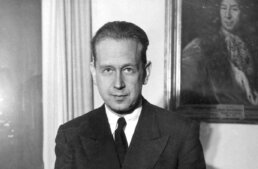
The world’s best kept secret - who killed Hammarskjöld?
“It is of utmost importance to the victims’ families, as a matter of record, history, justice, and closure that the full truth be revealed and discovered.” —Mohamed Chande Othman
On Monday the 7th of October the UN published its report, compiled by former Chief Justice of Tanzania, Mohamed Chande Othman, on the investigation into the mysterious circumstances resulting in tragic death of Dag Hammarskjöld. Though it is very comprehensive, its findings still leave a lot of questions unanswered particularly due to a lack of full cooperation from South Africa, the USA, Britain and Russia.
Dag Hammarskjöld was the second Secretary General of the United Nations from 1953 to 1961. He is the only statesman to have been awarded the Nobel Peace Prize posthumously and it is widely believed that his stance as proponent of the decolonisation, may have led to his death.
Tragically on 17/18 September 1961, he was killed when his plane crashed near Ndola Airport in what was then known as Northern Rhodesia (now Zambia). 14 other people , his crew and staff, also died in the crash and one American Security Officer by the name of Harold Julien succumbed to his injuries six days later. He reportedly told his doctors that there was a large explosion on the aircraft followed by a series of smaller ones before it crashed.
There were two Rhodesian inquiries into Hammarskjöld’s death in 1961 and 1962, and then a UN Commission of Investigation “determined that it was not able to find support for or exclude any of the various hypotheses that had been advanced to explain the crash.”
Later the Commission of Jurists on the Inquiry into the Death of Dag Hammarskjöld (the Hammarskjöld Commission), was formed. It comprised of four jurists who wrote a report in 2013 that prompted the UNGA to establish an Independent Panel of Experts in 2015 “to examine and assess the probative value of new information relating to the tragic incident.”
The Independent Panel of Experts, chaired by Chande Othman, was able to rule out a few theories about the crash but it too recommended that more investigations be conducted. Chande Othman was then appointed as “Eminent Person” in 2017 and continued to review new information producing a 2017 report. His mandate was extended in 2018 resulting in this 2019 report.
So what really happened? Theories range from: an attack by another plane,to sabotage via a bomb that was onboard, to engine malfunction right up to pilot error. But the real answer to that question seems to start with why Hammarskjöld was on his way to Ndola in the first place.
Hammarskjöld, who has been referred to by the New York Times as one of the most “successful leaders of the UN” was on his way to talks in Ndola aimed to resolve a secessionist conflict that had broken out in what was formerly known as the Republic of Congo (now the Democratic Republic of Congo).
Congo had just gained its independence from Belgium on 30 June 1960. In the meantime, ideas of self-governance were blossoming in the mineral rich region of Katanga. Led by Moise Tshombe‘, the leader of the Confédération des associations tribales du Katanga (CONAKAT) allegedly backed by a few Belgian “military advisers” and Belgian mining company Union Minière du Haut Katanga, the region of Katanga fought for its separation from the rest of newly liberated Congo.
Hammarskjöld believed that African countries should be independent and allowed to run their own affairs without the intervention of colonial powers. This resulted in Hammarskjöld’s mission being perceived as a threat to the “powerful mining interests in Belgium, South Africa as well as permanent members of the Security Council, including the United States and Britain” according to the New York Times.
The intriguing and provocative title of Susan Williams 2011 book, Who Killed Hammarskjöld? The UN, The Cold War and White Supremacy in Africa speaks to broader context and the complexities of surrounding the work of the UN, the effects of the Cold War in Africa and the struggle for independence from white minority rule.
The information the South African government may have could be particularly interesting as a paramilitary organisation known as the “South African Institute for Maritime Research” (SAIMR) is believed to have claimed responsibility for the assassination in what they called “Operation Celeste,” as deciphered from a memoir believed to belong to the so called “Commodore” of SAIMR, Keith Maxwell. Maxwell died in 2006 but according to his handwritten memoir, it was an act of sabotage involving a bomb that had been placed in Hammarskjöld’s plane. The handwritten memoir was brought to the attention of Chande Othman by the team behind the recently released documentary, Cold Case Hammarskjöld.
In his report Othman Chande mentions that SAIMR may indeed have existed in the 1980s and 1990s but due to inadequate cooperation from South Africa, “it is not possible to confirm whether SAIMR existed in 1961 or whether it may have been involved in so-called “Operation Celeste”, the objective of which was said to be to “remove” Hammarskjöld.”
Typed documents bearing the SAIMR logo relating to the alleged bomb on the plane came to the public’s attention in 1998 during the work of the South African Truth and Reconciliation Commission. The 2019 report recalls that the 2017 report states, “the probative value of the documentation could not be finally assessed, as access to the documentation or other assistance with searches was not provided by South Africa.”
Othman Chande writes in the 2019 report that,
“It has not been possible to conclude whether sabotage may have been a cause of the crash, owing in part to difficulties in obtaining access to relevant documentation in South Africa.”
Cold Case Hammarskjöld, adds a great deal of suspicion to South African apartheid government involvement, information that the current South African government seems reluctant to share.
What is South Africa hiding?
In July this year, South Africa was accussed by the UN International Residual Mechanism for Criminal Tribunals Prosecutor, of not cooperating with the arrest of a fugitive wanted in connection with the Rwandan Genocide who is believed to be in South Africa.
That same month the Minister of Justice announced his intention to reintroduce the International Crimes Bill which would clear the way for withdrawal from the Rome Statute and provide immunity for sitting heads of state for core international crimes. The current government clearly has a lot of questions to answer on many fronts.
The same can be said for the US and the UK, according to the report, they “received intercepts of communications of the United Nations Operation in the Congo (ONUC) throughout 1961, including those that had been encoded relating to sensitive military matters.”
The 2019 report also questions the Rhodesian 1961/62 inquiries because, “it appears established that British and Northern Rhodesian officials attempted to influence the findings of those inquiries to conclude that the crash was the result of pilot error, rather than any type of external interference.” The same authorities also tried to suppress Harold Julien’s testimony about the explosions. One cannot help but wonder what they have to hide and what their true involvement was.
As for the Russians, Chande Othman wrote that, “Regarding the Russian Federation, I was grateful to be advised that it had performed searches within intelligence, security and defence archives; however, an Independent Appointee was not appointed and the details of the searches for information were not particularized. Although there is no precise information before me that identifies specific awareness by the former USSR of the events in question, as an important actor in the region at the time, for completeness and uniformity, it would be of great utility to engage with the Russian Federation in a full and thorough review, in accordance with the requested framework.”
He goes on to state that “from the totality of the information at hand, it appears plausible that an external attack or threat may have been a cause of the crash…” The cloud of mystery that surrounds his death has endured for almost 58 years and until there is full cooperation from states, it may prevail. As noted in the 95-page, 2019 report, “Although substantive cooperation was broadly received, it was withheld by certain key Member States… Without ensuring that all information relevant to reaching a conclusion regarding the ultimate cause or causes of the crash has been reviewed, no such conclusion may firmly be reached.”
*This article first appeared on Opinio Juris on 23 October 2019.

From immunities to the Afghanistan decision-talking international criminal justice with Stephen Rapp
I sat down with Stephen Rapp, (formerly Chief of Prosecutions at the ICTR, Prosecutor at the SCSL, and US Ambassador-at-Large for Global Criminal Justice; now a Fellow at the US Holocaust Memorial Museum’s Center for Prevention of Genocide and Oxford University’s Blavatnik School) to talk about some of the burning issues in international criminal justice today.
There are very clear challenges at the ICC as far the investigation and prosecution of international crimes leading us all to wonder--is the future of international criminal justice domestic?
I think it is both international and domestic though I expect far more prosecutions at the national level both in the territorial states and in those third states that can exercise universal jurisdiction.
I opened this conversation by referring to “challenges” at the ICC, one of which is the Afghanistan situation. What are your thoughts on Pre- Trial Chamber II denying the Prosecutor authorisation to open an investigation in Afghanistan?
Do keep in mind that I represented the US government as an Ambassador for 6 years and took the position with the ICC that the US had undertaken domestic accountability processes and that the allegations against Americans did not reach the gravity threshold, so I would not object if the ICC found that cases against US citizens for alleged violations of the Rome Statute in Afghanistan were inadmissible.
However, from a legal standpoint, and no longer speaking as a representative of the US, I think that the basis upon which Pre-Trial Chamber II denied the OTP its application was entirely wrong. First, it is not appropriate for a Pre-Trial Chamber to prevent an investigation based on its view of the “interests of justice”--that determination is the responsibility of the Prosecutor.
Second, the PTC introduced a “feasibility” consideration that will create an incentive for countries to obstruct or to fail in their duty to cooperate. One can imagine this happening in almost any situation where the suspects are the leaders or persons closely connected to the leaders of national governments. This decision truly undermined international justice. Quite frankly, I expected the Chamber to grant permission. Regardless of what one might say about gravity and complementarity as to alleged crimes by US actors, there were horrendous crimes committed by the Taliban, to which there has been no justice, and that more than justify the Prosecutor’s application. I hope that the Prosecutor is successful with her Appeal!
Moving on to the upcoming ASP, what are some of the important issues that need to be at the forefront?
I expect the ASP to debate the proposed assessment of the ICC’s (and its various offices) performance during the first 18 years of active operations. This proposal originated in a call earlier this year by four former presidents of the Assembly and was then taken up by members of the Bureau who outlined a way forward and sought public comment.
In my view, the assessment process needs to be more independent than presently suggested in the Bureau’s outline, and should be led by independent external experts. It needs to be something more along the lines of Judge Cassese’s 2006 report on the operations of the Special Court for Sierra Leone which was very helpful to me when I became Prosecutor in 2007. I fear the process outlined by the Bureau will take a long time to yield recommendations. There was hope that this could have been done in time to be discussed by candidates for Prosecutor, so that a successful candidate who supported certain recommendations would have a mandate to press for their implementation once in office. But even if it takes longer, the assessment is very necessary and I hope that it will yield solid recommendations that will then be implemented.
Of course, the coming elections for the Prosecutor and six judges, and assuring that the strongest candidates will be in the running, will be a major subject of discussion around the ASP. I think the ASP will also seek to tackle some of the challenges the Court has had including issues of state cooperation with investigations and arrests, the lack of which has made it difficult for the Court to complete its cases.
What about the never-ending head of state immunity issue?
There remains the possibility of seeking an advisory opinion from the International Court of Justice (ICJ) through a resolution of United Nations General Assembly. I am not sure whether the proponents of an advisory opinion have yet formulated the legal question on immunities that could be presented to the ICJ. I know that there are several African state parties who want to see the issue resolved in this manner not to mention some legal scholars who have raised issues with the Appeals Judgement. In my view, and contrary to that of my good friend Dapo Akande and others, the Court got it right!
From Nuremberg to the present day, one of the major reasons for states to come together to create a court of international character is so that head of state immunity no longer applies. Yes, it would apply in the court of a single state, as held by the ICJ in the Arrest Warrant Case in 2002, but as that decision also noted, this immunity can be overcome in a court of international character. I certainly favour that international courts can indict sitting heads of state as happened at the Special Court for Sierra Leone when Charles Taylor was indicted in March 2003 while he was still the sitting head of state of Liberia. Of course that was a treaty based court, and it could not have been done by a Sierra Leone national court. The SCSL Appeals Chamber clearly held that the immunity did not apply because it was a court of international character. It is logical and fundamental in the establishment of these institutions (to use Jacksons words) that “those who possess themselves of great power” need to be held to account and without courts being able to prosecute sitting heads of state, that possibility does not exist.
I know you think the ICC got the immunity question right in the Appeals Judgement but does that mean you do not support the ICJ Advisory Opinion route?
I would also like it if people accepted the decision, but I know there are deep concerns about the judges’ analysis so I am not opposed to the critics seeking a 2/3rd vote in the UN General Assembly so that they can have their “day in court” at the ICJ. I prefer that issues be resolved legally and in judicial forums instead of states withdrawing from the Rome Statute as seen with the Philippines and Burundi and previous attempts from South Africa and The Gambia.
Do you think the AU/ African states in favour of this will be able to convince the General Assembly to take it up to the ICJ?
That is a political evaluation and I have not counted heads so I do not know whether they will succeed. I also expect opposition to this move from human rights and victims’ rights organizations who will put their priority on making the ICC more effective and will argue, “let us not waste time on this.”
Among states who support the decision, I think that there may be some flexibility in order to avoid a political rupture in the ASP. They will see advantages to having the issue resolved in a legal forum rather than through political football. I remember the experience several years ago when Kenya was threatening to pull out and the immediate crisis was avoided with an amendment to the rules that was supported by pro-ICC states, but opposed by pro-ICC NGOs. So we may see an advisory opinion requested out of desire not to create divisions and to ensure that the Court has the broadest membership possible.
Civil society actors have been an integral part of the international criminal justice system. This includes supporting the Court, constructively criticising the Court, supporting domestic justice efforts etc. Where can they be proactive in support of international criminal justice at a time like this?
Civil society organisations need to be a part of the independent assessment I mentioned earlier to ensure that states do not use it as an opportunity to curtail the independence of the ICC. They are important to ensure that the Court will pursue cases without fear or favour. They are important as supportive critics of the ICC who want it to be more effective while some states might wish it to be less effective. An effective ICC is necessary even to strengthen domestic justice. A key part to mustering the will to investigate and prosecute cases domestically is the perception that there is a strong Court in The Hague that is ready to act if the state does not. This is not “positive complementarity” but rather “persuasive complementarity” - if you do not do it, they will do it for you and it is far better for you to do it at home. If the Court is not effective you lose that. We saw that in a different sense with the ICTR where Rwanda repealed the death penalty and passed a strong transfer law. Positive things happen when people want cases taken out of the international realm to be tried locally. But in this situation it only happened because the ICTR was effective in bringing powerful leaders to account. National justice is not going to work as effectively without an international court of last resort. Of course, the ICC will not be the only court of international character, as I am sure that we will also see hybrid courts in places where the ICC does not have jurisdiction, as is the case with the proposed African Union Hybrid Court for South Sudan. But a strong and effective ICC is important to build support for justice even in places it cannot legally reach.
I often talk these days about the “third wave” of international criminal justice. The first began at Nuremberg, the second at the ad hoc tribunals and with the establishment of the ICC, the third is seen in the increased efforts of civil society organisations to document atrocity crimes as they are committed, and in the victim-driven advocacy that made it possible to prosecute former Chadian President Hissène Habré trial in Senegal and Syrian torturers in national courts in Europe. It is reflected in the support that was mobilised to establish new UN investigatory mechanisms for Syria and Myanmar. Even in these challenging times for human rights and international justice, there are developments that give me hope. All of these new approaches are particularly important when the United Nations Security Council is blocked in sending situations to the ICC. For this third wave to overcome the resistance, we need well-trained investigators, lawyers and civil society actors. So the work goes on.
*This interview first appeared on the Opinio Juris Blog https://opiniojuris.org/2019/09/25/from-immunities-to-the-afghanistan-decision-talking-international-criminal-justice-with-stephen-rapp/
Burundi “A general climate of impunity” - the latest UN Commission of Inquiry on Burundi Report
On 4 September last week the UN Commission of Inquiry on Burundi released its latest report. The situation in Burundi continues to warrant deep concern as grave human rights violations persist. Experts estimate that it may only get worse as the 2020 elections draw closer. After all, it was a political crisis in 2015 election cycle that catapulted the small East African nation into chaos.
As I have written here Burundi is no stranger to civil war coloured by political and ethnic violence- in 2015 the situation was no different. President Pierre Nkurunziza ran for a controversial third term deemed by many to be unconstitutional thereby triggering protests and strong opposition to his bid for yet another term in office. Nkurunziza’s forces responded violently and swiftly. The situation attracted the attention of the International Criminal Court’s prosecutor and a preliminary examination was announced on 25 April 2016. At that point more than 430 persons had been killed and an estimated 3,400 people had been arrested whilst over 230,000 had fled the country.
On 25 October 2017, the Prosecutor received authorisation from Pre-Trial Chamber III to turn her preliminary examination into an investigation and exactly 2 days later Burundi’s withdrawal from the Rome Statute took effect. However, withdrawal does not legally stop the ICC from continuing with their investigation as the Court still has jurisdiction over crimes committed during Burundi’s time as a member state.
The Commission, which was established through Human Rights Council resolution 33/24 to conduct a thorough investigation into “human rights violations and abuses committed in Burundi since April 2015, to determine whether any of them may constitute international crimes, to identify their alleged perpetrators and to formulate recommendations for ensuring that such perpetrators are held accountable for their acts” has not had an easy task.
Commissioners Doudou Diène, Lucy Asuagbor, Françoise Hampson have been classified as “personae non gratae” in Burundi and have been accused of attempting to destabilise the country. Responding to questions from journalists curious about his thoughts on the latest Commission report, senior adviser to the President, Willy Nyamitwe tweeted the following: “We are no longer interested in responding to the lies and #FakeNews by some Westerners who obviously seek the destabilization of Burundi". #HRC42”
As pointed out in the Commission Report, Burundi not only rejects the Commission's work in its entirety but it is equally non-cooperative with other regional and international mechanisms. This includes the government closing the Burundi office of the UN High Commissioner for Human Rights and the fact that the UN Subcommittee on Prevention of Torture and Other Cruel, Inhuman or Degrading Treatment or Punishment was not allowed to conduct a visit in 2018. The Commission Report also points out that Burundi has “not submitted to the treaty bodies some of its periodic reports on the implementation of human rights instruments” nor has it cooperated with the UN special procedures mandate holders in relation to allegations of human rights violations.
Burundi’s engagement at the international level clearly leaves a lot to be desired but as the Commission Report highlights, the treatment of their own citizens is where the real tragedy lies. The Commission has interviewed many victims, witnesses and other people with information either living in Burundi or in third states, collecting over 1000 testimonies allowing them to put together a report that depicts just how grim the situation is.
According to the Office of the United Nations High Commissioner for Refugees, as at 30 June 2019 there were 344,931 Burundian refugees in neighbouring countries. According to the Office for the Coordination of Humanitarian Affairs, 1.77 million persons are in need of humanitarian assistance and 1.7 million are facing serious food insecurity.
Police, National Intelligence Service officers, municipality administrative officials and the Imbonerakure, the military youth wing of the ruling party (Conseil national pour la défense de la démocratie-Forces pour la défense de la démocratie, CNDD-FDD) have all been identified as the perpetrators of acts of violence and abuse. They continue to act with impunity and terrorise those who do not actively support their party. This includes murder, witnesses recalled people being beaten to death or executed with guns and knives. Enforced disappearances are common, as are acts of torture, sexual violence and arbitrary arrest. Even minors are not safe as the Commission Report mentions that schoolgirls were detained for roughly 10 days and were actually prosecuted for “insult to the Head of State”. Their “crime” was the alleged defacing of photographs of the President in school textbooks.
There are also severe restrictions on freedom of expression and grave violations of economic and social rights compounded by the lack of true democracy or a genuine multi-party system.
As stated by the Commission, the 2020 elections “pose a major risk” as they could be yet another flashpoint. The prognosis is bleak and Burundi has all the devastating components that could escalate into a full-blown crisis.
** This article first appeared on the Opinio Juris Blog http://opiniojuris.org/2019/09/09/burundi-a-general-climate-of-impunity-the-latest-un-commission-of-inquiry-on-burundi-report/

Chemical weapons in Syria - German and Belgian companies complicit?
For decades, civil society actors from the Global South have been asking when weapons manufacturers (who are usually from Europe/ the US) will be held accountable in some way for the arms they supply that ultimately fuel conflict in the Global South. The June 2019 legal complaint involving Sasol Solvents Germany GmbH, BASF Antwerpen NV, Brenntag AG and its Swiss subsidiary could be an important step in the interrogation of the role played by western companies in conflict situations. This complaint is of particular interest because it intersects with crimes perpetrated in Syria-a nation that seems to have fallen through the cracks of the international justice system.
In March 2018 the Syrian Observatory for Human Rights put the death toll at 511,000 since the war in Syria began in 2011.According to the United Nations High Commissioner for Refugees 6,2 million people have been displaced internally. As the war goes on, crimes continue to be committed with unbridled impunity.
To date, Russia and China have prevented the situation in Syria from coming before the International Criminal Court by exercising their veto power. Domestic Syrian justice for the crimes against humanity and war crimes committed is at this time a pipe dream. Universal jurisdiction does provide some hope that perpetrators will be tried in other countries and so does the possibility of holding companies that supply chemical weapon components accountable for their deadly contribution to the conflict.
The Open Society Foundation, Syrian Archive and TRIAL International are the organisations behind the submission of the complaint requesting the German and Belgian prosecutors to conduct a criminal investigation into the export of the chemicals isopropanol and diethylamine to Syria, via Switzerland in 2014.
Both of these chemicals can be used to produce standard pharmaceutical products but they can also be used in the production of chemical weapons. Isopropanol is useful in the production of lethal sarin gas which causes death by suffocation. Sarin gas has already been used in attacks against civilians in Syria by the Syrian government. In fact, one such attack, the April 2017 attack in Khan Sheikhun, constituted the largest chemical weapons attack since Syria signed the Chemical Weapons Convention in 2013. According to the UN, 87 people died in that attack and the sarin gas used there was found to have been made with isopropanol.
Diethylamine can be used to make “venomous agent X” commonly known as VX, which is a highly poisonous nerve agent. Though VX has already been found in stockpiles of chemical weapons in Syria there is no recent known use of it.
By May 2018, Human Rights Watch reported that 85 chemical weapons attacks had taken place since 2013, a majority of which were attributed to the Syrian government. The UN Independent International Commission of Inquiry on the Syrian Arab Republic (UN Commission) reported in March 2019 that chemical attacks continue in Syria. In addition to sarin gas, other chemical weapons used indiscriminately in Syria include weaponised chlorine and sulphur mustard which is a dangerous blister agent.
The broader implications of the supply of isopropanol and diethylamine are yet to be explored but the first stop is this: at the time of the alleged exports, both those chemicals were on a list of restricted raw materials and in terms of an EU sanctions they required formal approval before they could be exported. Isopropanol has been on the list since 2013 and diethylamine has been there since 2012. The organisations’ complaint therefore pertains to possible criminal violation of EU Regulation 36/2012 concerning controls on the sale, supply, transfer, or export to Syria, either in a direct manner or in an indirect manner.
In the case of the German and Belgium respectively, approval should be obtained from the Federal Office of Economics and Export Control and the Flemish Department of Foreign Affairs’s Strategic Goods Unit prior to any direct or indirect export to Syria. Both departments said that they did not issue any permits for the export of those chemicals at the time relevant to the complaint.
According to the Swiss State Secretariat for Economic Affairs (SECO) said that the shipment of isopropanol was legal and that there was “there was ‘no indication that it had links to the Syrian government at the time, nor today.’”
SECO also stated that “the buyer was ‘a private Syrian pharmaceutical firm.’” Newspapers later uncovered that the buyer was a Syrian company called Mediterranean Pharmaceutical Industries (MPI), an outfit believed to have strong ties to the Syrian government. The three organisations that brought this matter to the authorities conducted their own investigations and found that MPI was led by the late Abdul Rahman Attar, who was a well-known Syrian businessman with strong and powerful connections in the Syrian government.
MPI was authorised in 2014, by a subsidiary of Swiss company Novartis, to produce the widely used, over the counter, Voltaren pain-relief Gel that is produced using both chemicals. Novartis who claim to have done their due diligence with regard to MPI stated that,
"Under this agreement, which pre-dates the Syrian Civil War, Novartis Consumer Health supplied only the active pharmaceutical ingredients in compliance with applicable sanction laws. It was the responsibility of MPI to obtain the necessary adjuvants required for production (like e.g. isopropanol or diethylamine) itself directly from a third party supplier. Novartis exported neither isopropanol nor diethylamine to Syria at that time nor does it do so currently."
The Belgian and German prosecutors are looking into the complaint filed and a detailed investigation will hopefully reveal whether the companies involved did indeed circumvent the sanctions, a small but vital step in closing the impunity gap. It could perhaps also serve as a warning to other companies contributing wittingly or unwittingly to armed conflicts across the globe.
**This article appeared first in Opinio Juris on 15 July 2019 http://opiniojuris.org/2019/07/15/chemical-weapons-in-syria-german-and-belgian-companies-complicit/